
Fitness
5 Bad Eating Habits That You Need To Avoid

As everybody realizes that eating and keeping a diet plan is quite possibly one of the main things to keep a healthy body and mind. Eating good sort of foods within the right proportions helps to take care of healthy weight. Everyone gives the best tips to stay fit for your healthy lifestyle by their knowledge.
But over a period of time, the advancement in technology and shortage of time has forced people to switch to quick and easy foods/snacks, thereby changing their eating habits considerably.
Here are a number of unhealthy habits with their exact solutions that majority of people practice in their day to day life.

Skipping Breakfast:
Breakfast is one among the main issues for people working within the private sector lately. After fasting for the entire night, it’s important and mandatory to possess heavy breakfast for your body. Eating healthy breakfast gives you an increase in energy along side to settle on decisions of healthy eating throughout the day.
Solution:
Make sure to have a bowl of cornflakes, oats, a cup of yogurt, poached egg, Multigrain bread and fresh fruits in the breakfast to boost your energy.

Eating simply before Bed:
Many of us eat an excessive number of fatty foods, hot food sources, caffeine not long before sleep time, it ends up in weight gain and reduces the standard of sleep at night. It slows down the empty abdomen results in indigestion and heartburn.
Solution:
Try to have some light-weight snacks before getting to bed and a few fresh fruits at the side of some light diet, and ensure it must be taken earlier 2 to 3 hours before sleep.

Starving:
The main response to starvation is weight acquire. It stores fat. Starving for an extended time while not having food makes the body pretty upset as it’s been empty food. once the food is being consumed the body stores additional calories leading to weight loss.
Solution:
Try to make a timetable of exercise 3 to 5 days during a week with appropriate with appropriate diet chart like vegetables, lean meat, fish whole grains. With the standard exercise it will consume the additional calories leading to losing fat.

Gorging:
The consumption of fast food items like chips, Burgers, pizza, cookies is mouth-watering which we absorb excess in quantity. It usually ends up in weight gain, dissatisfaction sensation of absence of control.
Solution:
Rather than excessive consumption of inexpensive food things, try to eat smaller meals with a niche of two to three hours. The little meals won’t solely facilitate to curb your appetence however additionally can scale back your probabilities of overeating.

Not drinking enough water:
As we have a tendency to all recognize that our body metabolism works supported water that we consume on daily basis. Our body needs sufficient water for the duration of the day to keep the body and mind working properly.
Solution:
Make an intend to drink in any event 10 glasses of water for each day. And if you’re doing a gym workout, try to drink considerably more water as exercises and workouts end in sweat.
In the present situation where the world has gotten so quick, we need to keep an appropriate eating routine for the effective working of the body. Wiping out bad habits with little steps will build a major effect in your every day life. Stay lean by expanding your energy.


Fitness
The Ultimate Guide to Building a Healthy Morning Routine
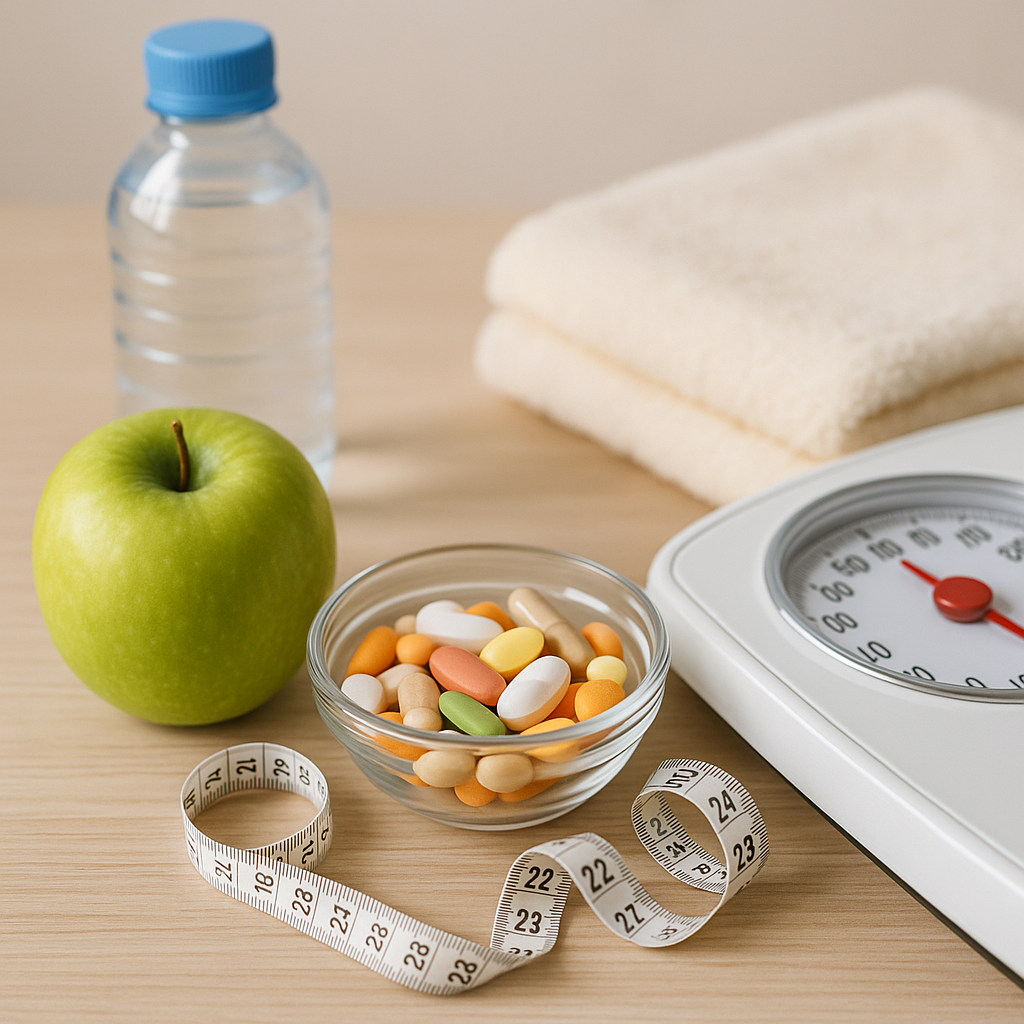
Introduction
Starting your day with a healthy morning routine can set the tone for increased energy and productivity. Learn simple steps to transform your mornings.
Why a Morning Routine Matters
A well-structured morning routine can improve mental clarity, boost mood, and enhance overall well-being. It’s about creating habits that support your goals and lifestyle.
Benefits of a Consistent Routine
- Increased focus and concentration
- Improved physical health
- Better time management
- Enhanced mood and stress reduction
Steps to Create Your Healthy Morning Routine
1. Wake Up Early
Waking up early allows you to start your day calmly and avoid rushing. Aim to wake up at the same time daily to regulate your body clock.
2. Hydrate First Thing
Drink a glass of water as soon as you wake up to kickstart your metabolism and rehydrate your body after sleep.
3. Move Your Body
Incorporate some form of exercise, whether it’s yoga, jogging, or stretching, to energize your body and mind.
4. Eat a Nutritious Breakfast
Fuel your body with a balanced breakfast that includes proteins, healthy fats, and whole grains to maintain energy levels throughout the morning.
5. Practice Mindfulness
Spend a few minutes meditating or journaling to clear your mind and focus on the day ahead.
Conclusion
Building a healthy morning routine takes time and consistency. Start small, and gradually incorporate these habits to transform your mornings and enhance your lifestyle.
FAQs
What time should I wake up to have a productive morning?
It’s best to wake up at a time that allows you to complete your morning routine without rushing. Consistency is key, so choose a time that works best for you.
How can I make waking up early easier?
Gradually adjust your bedtime, avoid screens before sleep, and create a relaxing bedtime routine to improve sleep quality.
Is it necessary to exercise every morning?
While daily exercise is beneficial, listen to your body. Even light stretching or a short walk can be effective.
What should I include in a nutritious breakfast?
Include a mix of proteins, healthy fats, and complex carbohydrates. Examples include eggs, avocado, and whole-grain toast.
How long should my morning routine take?
Your routine can vary from 30 minutes to an hour. Tailor it to fit your schedule and needs, ensuring it remains effective and stress-free.
Fitness
Why Choose Coffee Over Tea?

When it comes to warm drinks, people around the world usually fall into two big camps: coffee lovers and tea lovers. Both drinks are famous, both have a long history, and both give you energy. But in this blog, we are going to answer one simple question:
👉 Why should you choose coffee over tea?
This is not just about taste. It’s about energy, focus, health benefits, lifestyle, history, and even myths. By the end of this article, you will understand why coffee might just be the better choice for you.
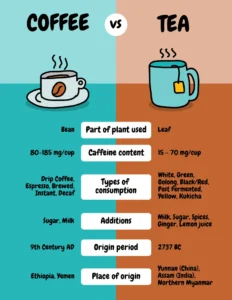
1. A Quick Look at Coffee vs Tea
Before we dive deep, let’s look at some quick facts:
- Coffee comes from roasted coffee beans. It’s usually stronger, darker, and richer in flavor.
- Tea is made from the leaves of the Camellia sinensis plant. It comes in many types like green tea, black tea, white tea, and oolong.
Main Difference: Coffee usually has more caffeine than tea, and that makes a big difference in how your body feels.
2. The Power of Caffeine: Why Coffee Wins
One of the biggest reasons people choose coffee over tea is caffeine. Caffeine is a natural stimulant that makes you feel awake, alert, and focused.
- Coffee caffeine content (average cup): 95 mg
- Tea caffeine content (average cup): 30–50 mg
This means that one cup of coffee can give you almost double the energy boost of tea. If you have to wake up early for work, study late at night, or need to stay focused during a meeting, coffee is the better choice.
Benefits of Caffeine in Coffee:
- Increases alertness
- Boosts focus and memory
- Improves physical performance (great before a workout)
- Reduces tiredness
Tea can also refresh you, but it works slowly and gently, while coffee provides a fast and strong kick.
3. Taste and Variety
Let’s be honest — taste matters!
- Coffee has a strong, bold, and sometimes bitter taste. But with modern coffee shops, you can enjoy it in so many styles:
- Cappuccino
- Latte
- Espresso
- Cold brew
- Mocha
- Tea is usually lighter and more subtle. While it also comes in many varieties, tea drinkers usually don’t get the same richness and depth that coffee provides.
Verdict: If you love bold flavors and the freedom to customize your drink, coffee is the winner.
4. Coffee and Productivity
Coffee is more than just a drink. For millions of people, it’s a morning ritual. That first sip of coffee tells your brain: “It’s time to get to work.”
- Workers often drink coffee before meetings.
- Students use it to stay awake during study sessions.
- Writers, programmers, and entrepreneurs swear by coffee to spark creativity.
Tea can give a gentle boost, but coffee provides the kickstart that most people need to push through the day.
5. Health Benefits of Coffee
Many people believe tea is healthier, but modern research shows coffee has powerful health benefits too.
Coffee Health Benefits:
- Rich in antioxidants: Helps fight cell damage.
- Supports brain health: Linked to lower risk of Alzheimer’s and Parkinson’s.
- Boosts metabolism: Helps with fat burning.
- Protects the liver: Regular coffee drinking reduces risk of liver diseases.
- Improves mood: Coffee is linked to lower risk of depression.
- May lower diabetes risk: Some studies suggest daily coffee reduces the risk of type 2 diabetes.
Tea does have health benefits, but coffee provides a stronger mix of antioxidants and mood-boosting effects.
6. Social Side of Coffee
Coffee isn’t just a drink — it’s a culture.
- Coffee shops are everywhere. They’re the perfect places for meeting friends, working, or even dating.
- The phrase “Let’s grab a coffee” is more common than “Let’s grab a tea.”
- Around the world, coffee culture is tied to productivity, creativity, and community.
Tea is often enjoyed in silence or at home, while coffee has become a social lifestyle symbol.
7. Coffee for Fitness Lovers
Did you know many athletes drink coffee before workouts?
Coffee boosts energy, improves focus, and even helps burn fat during exercise. The caffeine in coffee can:
- Increase endurance
- Reduce muscle pain during workouts
- Improve performance in sports
Tea has some health benefits too, but coffee is the drink that many athletes trust to give them that extra push.
Image Suggestion 7: A person drinking coffee before or after exercise.
8. The History of Coffee vs Tea
Both coffee and tea have long, interesting histories.
Coffee History:
- Coffee is believed to have been discovered in Ethiopia over 1,000 years ago when a goat herder noticed his goats had more energy after eating coffee berries.
- From there, it spread to the Middle East, Europe, and then the entire world.
- Coffee houses in the 1600s were known as “penny universities” because people would pay a penny to drink coffee and join lively discussions.
Tea History:
- Tea originated in China thousands of years ago. According to legend, Emperor Shen Nong discovered it when tea leaves fell into his boiling water.
- It became part of Chinese culture and later spread to India, Japan, and Britain.
Comparison: Tea is older, but coffee has become more universal in modern culture, especially as the drink of choice for work, creativity, and business.
9. Myths About Coffee
There are many myths about coffee, but most are not true. Let’s clear them up.
- Myth 1: Coffee stunts growth.
- ❌ False. There is no scientific proof that coffee affects height.
- Myth 2: Coffee is bad for your heart.
- ❌ Not true. In fact, moderate coffee drinking is linked to better heart health.
- Myth 3: Coffee dehydrates you.
- ❌ Coffee is a liquid. While it’s slightly diuretic, it still helps hydrate your body.
- Myth 4: Coffee is addictive like drugs.
- ❌ Coffee can cause mild dependence, but it’s nothing like harmful drugs. It’s safe for most people when consumed responsibly.
10. Fun Facts About Coffee
- Coffee is the second most traded commodity in the world, after oil.
- Finland drinks the most coffee per person.
- The word “coffee” comes from the Arabic word qahwa.
- Decaf coffee is not completely caffeine-free — it still has a small amount of caffeine.
- Instant coffee was invented in 1901.
These fun facts show how deeply coffee is tied to human culture.

11. Coffee vs Tea in Science
Researchers have studied both drinks for decades.
Coffee Science:
- May reduce risk of stroke.
- Improves reaction time and focus.
- Linked with longevity — people who drink coffee live longer on average.
Tea Science:
- Helps with relaxation due to L-theanine.
- Good for digestion.
- Has some antioxidants but usually less caffeine-driven energy.
Verdict: If your goal is energy + long-term health benefits, coffee comes out on top.
12. Coffee and Mental Health
Coffee does more than wake you up — it can also help your mental health.
- Studies show coffee drinkers have a lower risk of depression.
- The caffeine stimulates dopamine, the “feel-good” chemical in the brain.
- Coffee also helps fight brain fog and improves memory recall.
Tea can calm your nerves, but coffee fights sadness and boosts motivation.
13. Should You Give Up Tea Completely?
Not at all! Both coffee and tea have their place. In fact, some people enjoy tea in the evening to relax and coffee in the morning to start their day strong. But if you have to choose one main drink for energy and lifestyle, coffee wins by far.
14. Coffee vs Tea: The Final Verdict
Here’s a quick summary of why coffee is often chosen over tea:
- Stronger energy boost thanks to higher caffeine
- Richer taste and variety of drinks
- Boosts productivity in work and studies
- Packed with health benefits
- Social lifestyle symbol worldwide
- Helps fitness and sports performance
- Improves mood and mental health
Tea is good if you want something light and calming. But if you’re looking for energy, focus, and lifestyle benefits, coffee is the clear winner.
15. FAQ About Coffee vs Tea
Q1: Can I drink coffee every day?
✅ Yes, for most people 2–3 cups per day is safe and healthy.
Q2: Is tea better for sleep?
✅ Yes. Tea, especially herbal tea, is calming and better before bedtime.
Q3: Is coffee safe for kids?
⚠️ Not recommended for children under 12 because of the strong caffeine content.
Q4: Does black coffee have calories?
✅ Almost none — just 2–5 calories per cup without sugar or milk.
Q5: Which is better for studying, coffee or tea?
✅ Coffee, because it provides more alertness and focus.
16. Conclusion
At the end of the day, the choice between coffee and tea comes down to what you want from your drink.
- If you want calmness and relaxation → Tea.
- If you want energy, productivity, and stronger health benefits → Coffee.
So next time you’re deciding between the two, remember: Coffee is not just a drink, it’s an experience, a lifestyle, and a daily boost of motivation.
☕ Choose coffee, and fuel your day the smart way.
Fitness
What Are The 10 Best Foods For A Diabetic Person

For a diabetic person, it is important to manage their diet to keep their blood sugar levels under control. Some foods and drinks cause instant increases in sugar levels, and that’s why you need to be careful about what should be avoided in diabetes and what should be consumed.
Hence, to keep diabetes under control, the consumption of sugary and highly refined foods is restricted. Also, there are several other diabetes diet tips you need to follow along with prescribed medications for good health.
So, to know more about a healthy diet for diabetes, keep reading at Stay Fit Healthy Lifestyle. Have a look at the foods for a diabetic person (type 1 and type 2) mentioned below:
Leafy Vegetables
No one denies the fact of how beneficial green leafy vegetables are. And yes, for diabetic diet tips, this one is the first thing you need to include in your routine diet. These are rich sources of potassium, vitamin A, and calcium, and they also have a good amount of protein and fiber. Also, these are extremely nutritious as they have antioxidant and fiber content. So, do not forget to consume spinach, cabbage, broccoli, kale, and other leafy vegetables.
Whole Grains
Whole grains are low on the glycemic index and, hence, healthy for a diabetic person. As compared to refined white grains, whole grains contain a good amount of fiber, and fiber helps to slow the digestion process, so the blood sugar of diabetics is not affected much.
Examples of whole grains one can include are:
- brown rice
- whole grain bread
- whole grain pasta
- buckwheat
- quinoa
- millet
- Bulgur
- Barley
- rye
Fatty Fish
Fatty fish is rich in omega-3 fatty acids, which promotes good health for people with diabetes. Certain fishes like Salmon, sardines, herring, anchovies, albacore tuna, and trout contain polyunsaturated and monounsaturated fats. These are good for reducing the increased risk of heart attack or stroke as the DHA and EPA protect the cells present in the blood vessels, improve the overall functioning of arteries, and stabilize blood sugar levels.
Beans
Beans contain a high content of soluble fibers, which are good for our digestive health. These are an excellent source of plant-based protein, low on the GI scale, and popular for effective blood sugar regulation.
There are several types of beans you can have:
- kidney
- pinto
- adzuki
- black
- navy
Adding beans to your diet is totally affordable as they are cheap and super nutritious.
Walnuts
Make sure to add walnuts to your routine diet as they are an excellent source of omega-3 called alpha-linolenic acid (ALA), which helps lower the incidence of diabetes and heart health risks.
Also, these are key nutrients of protein, vitamin B6, magnesium, and iron.
Citrus Fruits
Citrus fruits such as oranges, grapefruits, and lemons are the powerhouse of vitamins and minerals essential for good health. Mainly, these fruits are rich in flavonoid antioxidants (hesperidin and naringin), which may exhibit antidiabetic effects and hence, be beneficial for people with diabetes.
Berries
Power-packed with antioxidants and other necessary vitamins (Vitamin C and Vitamin K), and minerals which keep oxidative stress away. Hence, berries are good to consume to improve several health conditions, such as heart disease, some cancers, and high blood sugar levels.
There is a wide range of berries options for you:
- Blueberries
- Blackberries
- Raspberries
- Strawberries
Sweet Potatoes
As compared to white potatoes, sweet potatoes are listed among the foods for a diabetic person. These are lower on the GI scale and, hence, do not raise blood sugar.
Sweet potatoes are a great source of fiber, vitamins A and C, and potassium.
Probiotic Yogurt
For people with type 2 diabetes, probiotic yogurt is healthy. It has essential bacteria that live in the human gut and help to improve digestion and overall health. Thus, having it in a daily routine keeps the blood sugar levels under control.
Chia Seeds
It is one of the best foods for a diabetic person, as these are great sources of omega-3 and antioxidants. For type 2 diabetes, chia seeds are helpful to manage their weight and blood sugar levels.
Besides this, they have a good amount of protein and fiber as well.
Conclusion
An uncontrolled sugar level may increase the risk of several health issues, such as heart disease and stroke. However, following diabetes diet tips can prevent the risk of complications. For your controlled blood sugar level, it is important to plan a healthy diet for your diabetes problems. According to the American Diabetes Association(ADA), one of the reasons behind the raised level of blood sugar is sugary and starchy carbohydrates. Foods with a low glycemic index and a diet rich in insoluble fiber, vitamins, lean proteins, and minerals are best. All you need is to include wholesome food items such as green vegetables, citrus fruits, walnuts, probiotic yogurt, chia seeds, beans, and several other healthy foods.
For more healthy life and diet updates, remain active at our website: Stay Fit Healthy Lifestyle.

The Ultimate Guide to Building a Healthy Morning Routine

Health Insurance, Mental Health & Healthcare: Why They’re All Connected

A New Hope for One of the Deadliest Cancers: Pancreatic Cancer Breakthroughs in 2026

Best Tips To Stay Fit In 2021

Facial Cupping

What are Some Advantages and Disadvantages of Herbal Tea?
-
 Fitness6 years ago
Best Tips To Stay Fit In 2021
-
 Health6 years ago
Facial Cupping
-
 Ayurveda6 years ago
What are Some Advantages and Disadvantages of Herbal Tea?
-

 Fitness6 years ago
Tips To Live A Healthy Life
-

 Fitness5 years ago
How Bean Bags Helping Yoga Better
-

 Fitness3 years ago
How To Raise Diastolic Blood Pressure Instantly – Stay Fit Healthy Lifestyle
-

 Acne6 years ago
Causes of Acne and best Way to Cure
-

 Fitness3 years ago
What Are The 10 Best Foods For A Diabetic Person