
Health
Facial Cupping

Hijama therapy is also called cupping therapy. Hijama is a treatment in which cups are placed on the surface of the body to create suction. Which helps in removing toxins from the body and accelerates the flow of blood circulation inside the body.
Hijama is a healing technique used to rejuvenate your skin and muscles using a suction cup. It is done on your body or on your face. Absorption increases blood flow which helps in pain, stress, cell repair, and other regeneration.
It is said to improve the flow of your energy, which is also called “qi”. Q is a Chinese word meaning vitality
Looking for Hijma Center? You can visit the Hijama Center in Islamabad.
Is it Change From Body Cupping?
Yes or no. Yet based on the same goal of recovery, face and body transformation are done differently.
Facial cups are usually small and soft. It is used to properly remove the skin from the deeper layers of the fascia. It increases blood flow to the area and rejuvenates the skin without leaving cup marks.
“Over time, this exercise improves color and reduces fine lines and wrinkles.
Kicks, on the other hand, are used to relieve pain.
The lips are almost always behind, but they serve a diagnostic purpose; Size, shape, and color indicate the “stop” value or proportion of the mobile trash. These marks disappear when your lymphatic system processes waste.
How does it work?
The effect of suction is to draw blood to the area of skin under the cup. This replenishes the surrounding tissues with new blood and promotes new vascular formation.
Hijama treatment also promotes infertility. Bacterial inflammation is a form of pathogen-free trauma. With hijama, it comes from mechanical abuse.
Stretching like a machine separates different layers of tissue, leading to microtrauma and tears. This stimulates the inflammatory response, filling the area with white blood cells, platelets and other cooling agents.
Benefits of Hijama:
The benefits of drinking on the face or treating facial acne are as follows.
Oxygenated blood circulation is increased.
- Tighten your skin.
- Stimulate collagen-producing cells.
- It helps to relieve muscle tension.
Attempts stated:
- It helps to brighten your skin.
- It removes stains, fine lines, and wrinkles.
- It removes puffiness
- Reduces oil production
- Improving nutrient absorption
Will it leave marks?
Facial cooking does not leave healing marks. However, marks can occur if the cup is left in one place for too long. Marks can come in at least five seconds, so be sure to keep the cup rotating. If you want safe cupping you should visit Authentic Hijama Center in Islamabad.
Side effects or risks:
Although face masks are generally considered safe, they can have little effect. They usually occur during or after treatment.
Maybe you’ll find out for a moment:
- Dizziness
- headache
- Despair
- Cold sweat
It is applied to the face on broken or inflamed skin. These include functional incisions, body, wounds, etc.
Is Hijama Therapy Safe To Use At Home?
The house has a collection of cooking cups, but it will be easy to relax under the hands of an expert.
An expert visit also ensures that the procedure is followed.
If you want to get treatment for hives at home, ask your doctor for help. They will help you in everything you do.
Warning: You will do unnecessary harm while refining your process. It can take a long time to get the results you want.
Conclusion:
Facial dehydration increases blood circulation, helps reduce the appearance of lines and wrinkles, and more.
While, you can do a facelift at home, but it is best to reach the professional first session. They will help you solve your questions. And give the best guide for your skincare.
Fitness
The Ultimate Guide to Building a Healthy Morning Routine
Introduction
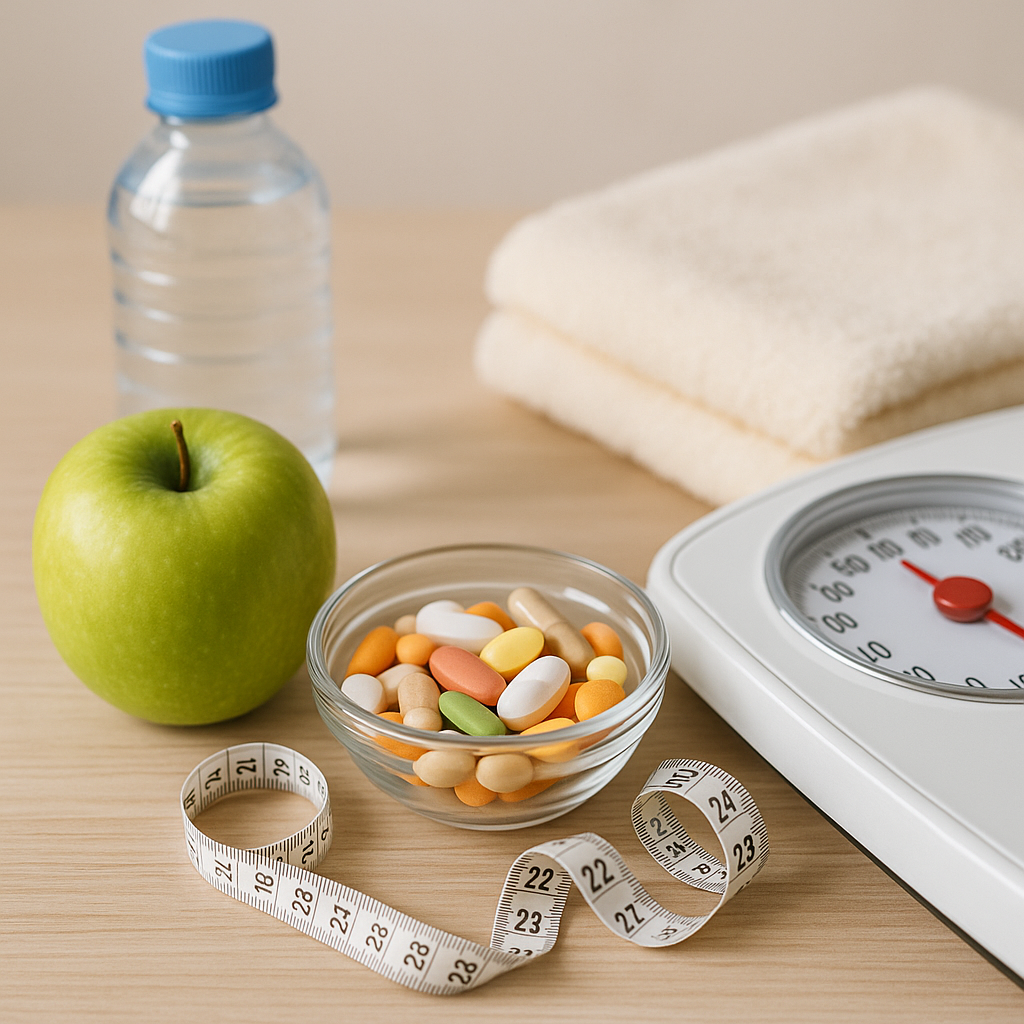
Starting your day with a healthy morning routine can set the tone for increased energy and productivity. Learn simple steps to transform your mornings.
Why a Morning Routine Matters
A well-structured morning routine can improve mental clarity, boost mood, and enhance overall well-being. It’s about creating habits that support your goals and lifestyle.
Benefits of a Consistent Routine
- Increased focus and concentration
- Improved physical health
- Better time management
- Enhanced mood and stress reduction
Steps to Create Your Healthy Morning Routine
1. Wake Up Early
Waking up early allows you to start your day calmly and avoid rushing. Aim to wake up at the same time daily to regulate your body clock.
2. Hydrate First Thing
Drink a glass of water as soon as you wake up to kickstart your metabolism and rehydrate your body after sleep.
3. Move Your Body
Incorporate some form of exercise, whether it’s yoga, jogging, or stretching, to energize your body and mind.
4. Eat a Nutritious Breakfast
Fuel your body with a balanced breakfast that includes proteins, healthy fats, and whole grains to maintain energy levels throughout the morning.
5. Practice Mindfulness
Spend a few minutes meditating or journaling to clear your mind and focus on the day ahead.
Conclusion
Building a healthy morning routine takes time and consistency. Start small, and gradually incorporate these habits to transform your mornings and enhance your lifestyle.
FAQs
What time should I wake up to have a productive morning?
It’s best to wake up at a time that allows you to complete your morning routine without rushing. Consistency is key, so choose a time that works best for you.
How can I make waking up early easier?
Gradually adjust your bedtime, avoid screens before sleep, and create a relaxing bedtime routine to improve sleep quality.
Is it necessary to exercise every morning?
While daily exercise is beneficial, listen to your body. Even light stretching or a short walk can be effective.
What should I include in a nutritious breakfast?
Include a mix of proteins, healthy fats, and complex carbohydrates. Examples include eggs, avocado, and whole-grain toast.
How long should my morning routine take?
Your routine can vary from 30 minutes to an hour. Tailor it to fit your schedule and needs, ensuring it remains effective and stress-free.
Health
Health Insurance, Mental Health & Healthcare: Why They’re All Connected
Let’s face it. Most of us ignore health insurance until we have to use it. It’s easier to worry about the reason we’re at the doctor in the first place than to find the time to unravel health insurance lingo.
By then, it’s already stressful enough without trying to decode confusing insurance terms too.
So here’s a simple, no-jargon guide to how health insurance, mental health care, and everyday healthcare actually connect — and a few small habits that can save you money, time, and a whole lot of anxiety.
Why Health Insurance Is More Than a “Just in Case” Plan
Most people treat insurance like a safety net they hope to never use. But a good plan isn’t just about emergencies — it’s about everyday access.
Here’s what it really covers, in plain terms:
- Premium – the amount you pay every month just to stay covered
- Deductible – what you pay out-of-pocket before insurance starts helping
- Copay – a fixed fee you pay for a visit or prescription
- Out-of-pocket maximum – the most you’ll pay in a year before insurance covers 100%
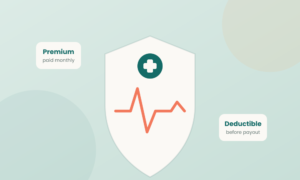
Understanding the basics of your health insurance coverage
Knowing these four terms alone can change how you use your plan. A lot of people skip checkups simply because they assume insurance won’t help — when in many cases, preventive visits are fully covered, including screenings that support things like heart health.
Quick tip: Call your provider once a year and ask, “What’s fully covered under my plan right now?” Coverage details change more often than people realize.
Mental Health Is Health — Insurance Is Finally Catching Up
For years, mental health care was treated like an extra — something separate from “real” medical care. That’s changing, slowly but surely.
Here’s what’s shifting:
- More insurance plans now include therapy and counseling sessions
- Teletherapy is increasingly covered, making it easier to fit into a busy schedule
- Some employers offer Employee Assistance Programs (EAPs) with free short-term counseling
- Mental health screenings are being added to routine check-ups
Mental health is part of overall wellness, not separate from it
Still, coverage varies a lot depending on your plan and location, so it’s worth checking:
- Does my plan cover in-network therapists?
- How many sessions are covered per year?
- Is online/virtual therapy included?
If cost is still a barrier, community mental health centers and sliding-scale therapy options are worth exploring — many are more affordable than people expect.
A gentle reminder: Needing support for your mental health isn’t a weakness. It’s simply another form of healthcare — the same as treating a sprained ankle or a fever.
Getting the Most Out of Everyday Healthcare
Healthcare isn’t just hospitals and emergencies. It’s the small, consistent habits that keep you out of the ER in the first place.
A few things that make a real difference:
- Book your annual physical — even when you feel fine
- Keep a simple health folder — past prescriptions, test results, and allergies in one place
- Use in-network providers whenever possible to avoid surprise bills
- Ask about generic medications — they’re often just as effective and far cheaper
- Track your symptoms before appointments so nothing gets forgotten in a rushed 10-minute visit
A simple healthcare checklist worth keeping on hand
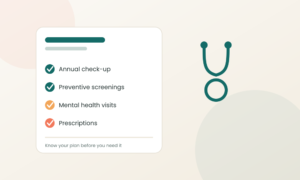
Small habits like these don’t just save money — they help doctors catch potential issues earlier, when they’re easier (and cheaper) to treat.
Bringing It All Together
Health insurance, mental health care, and everyday healthcare aren’t three separate boxes — they’re all part of the same picture: taking care of yourself before small issues become big ones.
A few final takeaways:
- Review your insurance plan at least once a year — don’t just renew on autopilot
- Ask directly about mental health coverage; don’t assume it isn’t included
- Use preventive care — it’s often free and can save you from bigger costs later
- Keep your health records organized so you’re never starting from scratch at a new appointment
Take care of your health gradually. Booking a check-up for the first time might seem like a daunting task, but calling your insurance or asking your employer for mental health coverage are great simple steps and greatly benefit your life in many ways. There are many tips in our healthy life guide that can help you take on more healthy habits one at a time.
Disclaimer: This article is not directed to provide any medical or financial advice. Always reach out to your insurance or a medical professional for information that specifically pertains to you.
Health
A New Hope for One of the Deadliest Cancers: Pancreatic Cancer Breakthroughs in 2026
For decades, a diagnosis of pancreatic cancer felt like a death sentence. Doctors would deliver the news, and most patients — and their families — had little reason to feel hopeful. Today only about 13% of people who have pancreatic cancer are still alive five years later. If you compare that to other kinds of cancer you will see that the number of people who survive has gone up a lot because we have better treatments and we can find cancer sooner. Pancreatic cancer has not been getting better like other cancers have.. Now things might be getting better for people, with pancreatic cancer.
In May 2026 the doctors and the scientists have a lot to be happy about. They have found a drug called daraxonrasib that is really working. They also have a vaccine that is made just for this disease.. They have a device that uses electric fields to fight the disease. All of these things are giving people hope. For people like Vicky Stinson, who’s a 65 year old lady from Flagstaff, Arizona and used to design landscapes these new discoveries are very important. The disease is very bad. Now Vicky Stinson and other patients like her have something to be hopeful, about. The new drug daraxonrasib and the built vaccine are really making a difference.
Why Is Pancreatic Cancer So Hard to Fight?
To understand why these new treatments for cancer matter so much you first have to understand why pancreatic cancer is so difficult to deal with.Pancreatic cancer is difficult to deal with because the pancreas is an organ that is tucked behind many other organs in your abdomen.The pancreas is hard to find because of where it sits so it is nearly impossible to feel or see the pancreas during a checkup.When a patient notices something is wrong with their body, like some stomach pain or difficulty eating or they get sudden-onset diabetes the pancreatic cancer has usually already spread to other parts of the body.This is a problem because roughly 80 percent of patients are diagnosed with pancreatic cancer at a late stage when the pancreatic cancer is much harder to treat.
Even when doctors detect the cancer, treating it is a nightmare. These tumors build what one doctor describes as a “cocoon” around themselves — a thick protective layer that stops chemotherapy drugs from getting through. On top of that, the pancreas sits right next to the body’s major blood vessels. As oncologist Dr. Arif Kamal of the American Cancer Society explains, those vessels are like highways for the body. If cancer cells escape from the pancreas, they can travel quickly to other parts of the body. And unlike many other cancers that form solid, contained masses, pancreatic cancer cells tend to scatter easily — like a handful of sand, not a tennis ball. You simply cannot catch every grain.
The Pill That Is Changing Everything: Daraxonrasib
Now, a drug called daraxonrasib, developed by a company called Revolution Medicines, is turning heads across the medical world.The drug works by targeting a specific gene mutation found in most pancreatic cancers. This mutation, known as KRAS, acts like a broken traffic light stuck on green — it keeps sending signals for cancer cells to divide and grow without stopping. Daraxonrasib essentially locks that broken signal off, causing the cancer cells to slow down or stop growing altogether.
In a large Phase 3 clinical trial called RASolute 302, patients who took daraxonrasib — just one pill a day — lived an average of 13.2 months. Patients who received standard chemotherapy lived only 6.7 months on average. That means the new drug roughly doubled how long patients survived. In a disease where every extra month matters enormously to families, that is a stunning result.
This is really exciting because of the way patients took the medication. The thing about chemotherapy is that it usually means spending a lot of time at a hospital or clinic where you are connected to a drip with a tube, for hours.Daraxonrasib is a simple once-a-day pill taken at home. Patients in the trial reported far fewer brutal side effects than those on chemotherapy, and none of them dropped out of the trial because of side effects.
Vicky Stinson was one of the people who took this drug as part of an earlier clinical trial. She described her 13 months on daraxonrasib as “a full year of normalcy.” She hiked the Dolomite mountains in Italy. She kept up with her exercise classes. Her biggest complaint? A bit of acne on her face and neck — which, she joked, “brought her back to her teens.”
Because the results look really good the U.S. Food and Drug Administration has already let the drug be given to patients even before it gets full approval.Doctors and cancer experts are trying to figure out how to get it to patients.
A Vaccine Built Just for You
Daraxonrasib is not the only exciting development. Scientists are working on a kind of vaccine. This vaccine does not prevent diseases. Instead the cancer vaccine fights cancer that’s already in the body. The cancer vaccine uses mRNA technology. This is the technology used in some COVID-19 vaccines. Doctors at Memorial Sloan Kettering Cancer Center are using this technology. They are making built vaccines for people with pancreatic cancer.Here is how the cancer vaccine works. Doctors first look at the makeup of the tumor in each patient. Then they design a vaccine based on the profile of the patients tumor. They make a vaccine for each patient, with cancer. The cancer vaccine is made for that patient.
In a small trial of 16 patients, the vaccine activated a strong immune response in half of them. For those patients, the results were remarkable — many of them lived six years longer than expected. The researchers said the immune response is very strong and it seems to last for a time.Think of it like this: you are teaching your bodys defense system, which’s your immune system to know the exact “fingerprint” of your cancer and then attack it by itself.This way of doing things is still being tried out with people but the results so far are really surprising and people are taking notice of the immune system and how it can help with cancer and the immune system.
Fighting Cancer With Electricity
There is also a brand-new device that the FDA recently approved for treating pancreatic cancer. Electrodes are attached to the patient’s skin over the abdomen, and the device sends high-frequency electrical signals directly to the cancer cells. These signals disrupt the cancer cells as they try to divide and multiply, helping to kill them. As a bonus, the electrical signals appear to also trigger the body’s immune system to join the fight — without adding the harsh chemicals that chemotherapy introduces into the body.
Doctors who have started using the device are hopeful it could give patients two to three more months of life, and with less pain than traditional options. While it is not a cure, every extra month is time spent with family, time to try the next new treatment, time for science to catch up.
If I Can Just Hold On a Little Longer
Vicky Stinson’s cancer eventually came back after her 13 months on daraxonrasib. It spread to her ovaries and is now at Stage 4. She has returned to chemotherapy, which has been harder on her body. But she has not given up. She is now helping researchers study her cancer’s genetic profile, hoping scientists can design something new specifically for her case.
Her story reflects the experience of thousands of pancreatic cancer patients who are racing against the clock — and for the first time in a long time, science seems to be racing with them.
Researchers believe that daraxonrasib will become the backbone of future treatments. Combined with vaccines, immune therapies, and devices like the electric-field machine, the goal is not just to slow the cancer down — but eventually, to cure it.For a disease that once offered almost no hope, 2026 feels like the beginning of something real.

The Ultimate Guide to Building a Healthy Morning Routine

Health Insurance, Mental Health & Healthcare: Why They’re All Connected

A New Hope for One of the Deadliest Cancers: Pancreatic Cancer Breakthroughs in 2026

Best Tips To Stay Fit In 2021

Facial Cupping

What are Some Advantages and Disadvantages of Herbal Tea?
-
 Fitness6 years ago
Best Tips To Stay Fit In 2021
-
 Ayurveda6 years ago
What are Some Advantages and Disadvantages of Herbal Tea?
-

 Fitness6 years ago
Tips To Live A Healthy Life
-

 Fitness5 years ago
How Bean Bags Helping Yoga Better
-

 Fitness6 years ago
5 Bad Eating Habits That You Need To Avoid
-

 Fitness3 years ago
How To Raise Diastolic Blood Pressure Instantly – Stay Fit Healthy Lifestyle
-

 Acne6 years ago
Causes of Acne and best Way to Cure
-

 Fitness3 years ago
What Are The 10 Best Foods For A Diabetic Person